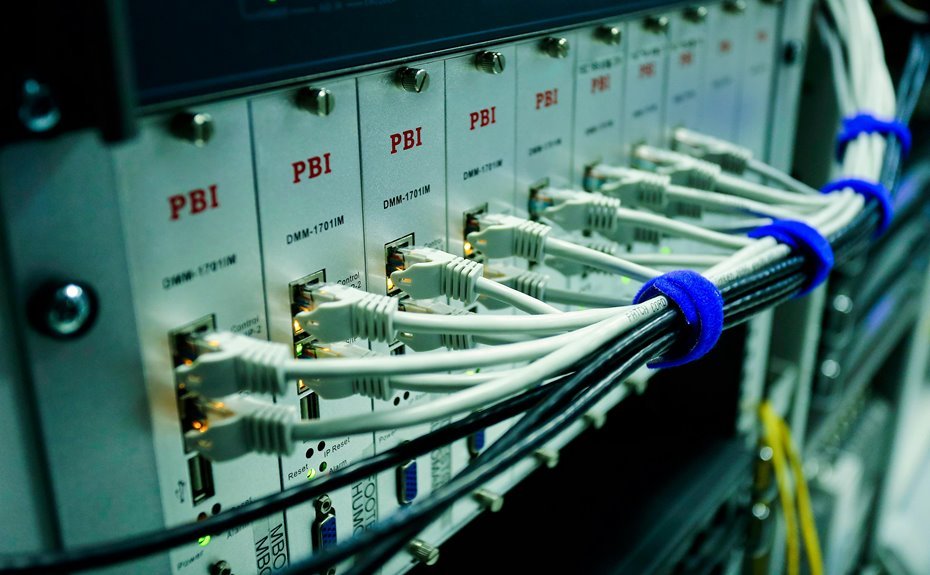
The Smart Web Engine 503630330 Online Network presents a modular, privacy-preserving approach to intelligent search and data routing. It emphasizes interoperable resource flows, real-time indexing, and adaptive ranking across diverse sources. The design aims for fault tolerance, transparency, and data sovereignty while enabling scalable governance. Questions remain about how anomaly detection, routing decisions, and privacy controls interact under varying workloads, inviting further examination of its practical implications and governance.
What Is the Smart Web Engine 503630330 Online Network?
The Smart Web Engine 503630330 Online Network refers to a distributed platform that integrates advanced search, data processing, and connectivity across multiple online resources. It enables efficient routing and interoperability while preserving data privacy. The architecture emphasizes modular components, scalable governance, and transparent data flows, allowing diverse actors to access insights without centralized control, fostering freedom through decentralized, accountable information exchange.
How Smart Web Engine Optimizes Search Performance
Smart Web Engine optimizes search performance by aligning indexing, retrieval, and ranking across distributed resources. It leverages adaptive indexing to adjust structures as data evolves, applies anomaly detection to safeguard relevance, and uses real time routing to minimize latency. Privacy controls govern access, ensuring user autonomy while sustaining accurate results, transparent governance, and robust system resilience for freedom-driven information exploration.
Real-Time Updates and Intelligent Routing in Practice
Real-Time Updates and Intelligent Routing in Practice focuses on how streaming data changes influence routing decisions and how systems maintain up-to-date responses. The discussion examines dynamic routing and real time synchronization to adapt paths swiftly, reducing latency minimization while preserving fault tolerance. It also notes data sovereignty considerations and security hardening as core constraints guiding resilient, autonomous network behavior.
Security, Privacy, and Resilience in the Network
Security, privacy, and resilience are foundational to network integrity, demanding layered defenses, principled data governance, and robust failure handling. The analysis emphasizes privacy safeguards, threat modeling, and resilience engineering as core processes, enabling transparent risk assessment and rapid recovery. Emphasizing data minimization limits exposure, while modular architectures support adaptable defenses, ensuring freedom through trustworthy, verifiable, and resilient digital infrastructures.
Conclusion
The Smart Web Engine 503630330 Online Network embodies a measured, incremental advancement in distributed search ecosystems. Through careful orchestration of indexing, routing, and governance, it quietly enhances relevance without imposing centralized dominance. Privacy controls and data sovereignty are treated with prudent emphasis, reducing exposure while preserving usability. Though aims are ambitious, the design favors resilient, fault-tolerant operation and transparent handling, guiding stakeholders toward improved information exchange with gentle, ongoing refinement rather than abrupt upheaval.